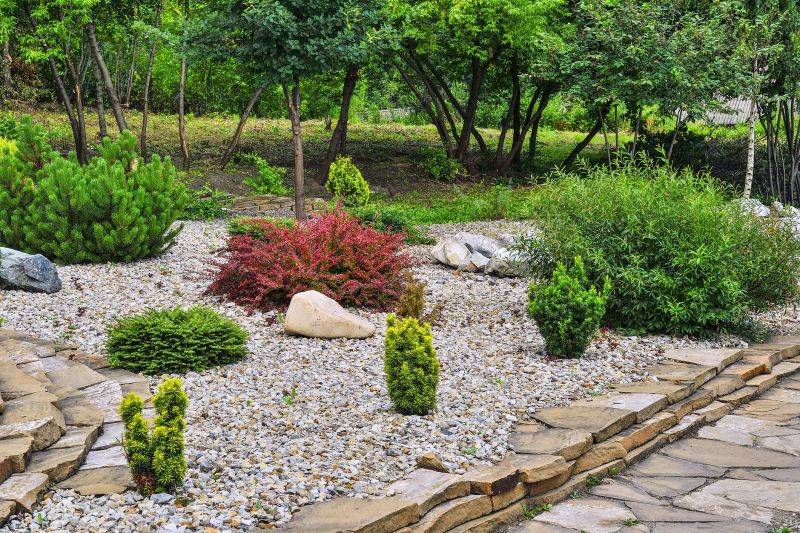
Residential Hardscaping in Boston, MA
Residential hardscaping services encompass a variety of durable outdoor features designed to enhance the functionality and aesthetic appeal of a property. Common projects include installing patios, walkways, driveways, retaining walls, fire pits, and outdoor seating areas. These features are typically constructed using materials such as stone, concrete, brick, or pavers, providing long-lasting solutions that can define outdoor living spaces and improve curb appeal. Homeowners often seek information on the different types of materials available, design options, and how these features can complement existing landscaping or architectural styles.
Before requesting residential hardscaping services, property owners usually want to understand the scope of the project, including the planning process, material choices, and potential maintenance needs. Clarifying the overall design goals and any specific functional requirements-such as drainage considerations or accessibility-is also common. It’s helpful to consider the existing landscape and property layout to ensure the new features integrate seamlessly. Gathering details about permits, costs, and timelines can assist in planning a project that aligns with both aesthetic preferences and practical needs.
Many property owners in Boston, MA look into Residential Hardscaping for repairs, replacements, upgrades, and appearance-related improvements.
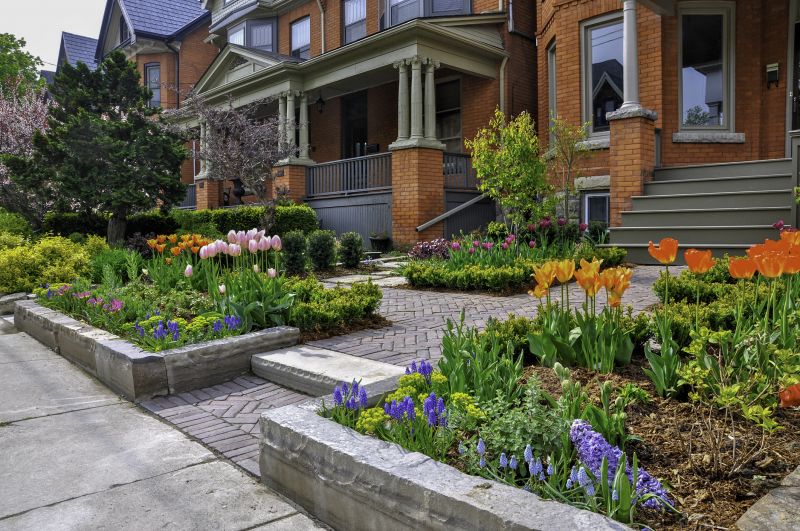
Patio And Walkway Design
Custom hardscaping solutions enhance outdoor living spaces for entertaining and relaxation.
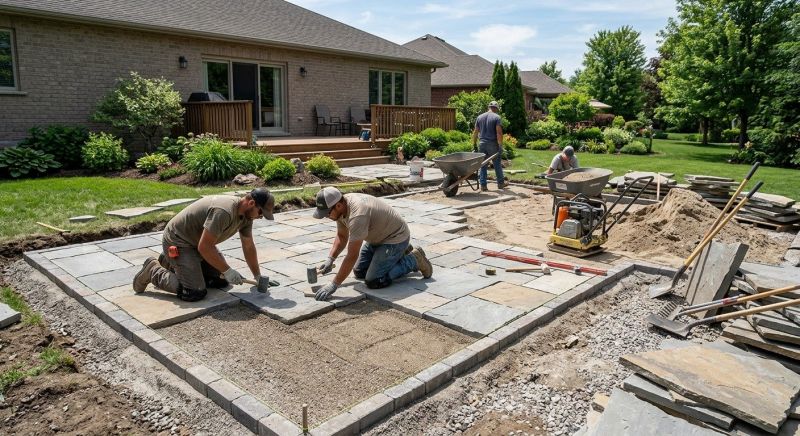
Driveway And Entrance Improvements
Durable materials and precise installation create functional and attractive access points for residential properties.
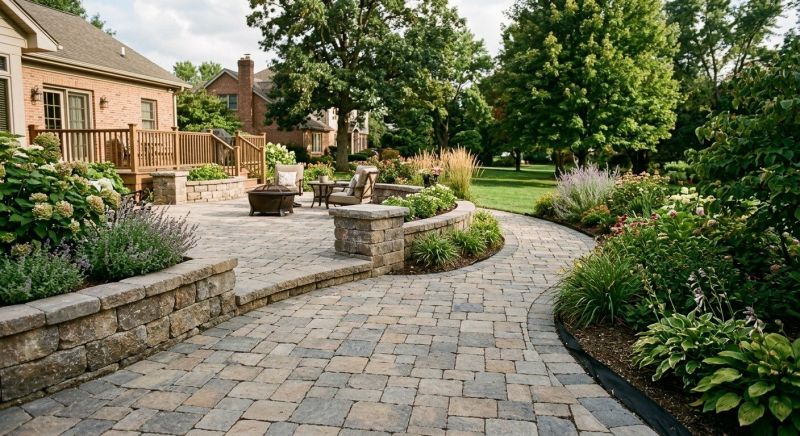
Retaining Walls And Edging
Strategic retaining walls define landscape levels and prevent erosion around boston homes and gardens.
Residential Hardscaping in Boston, MA
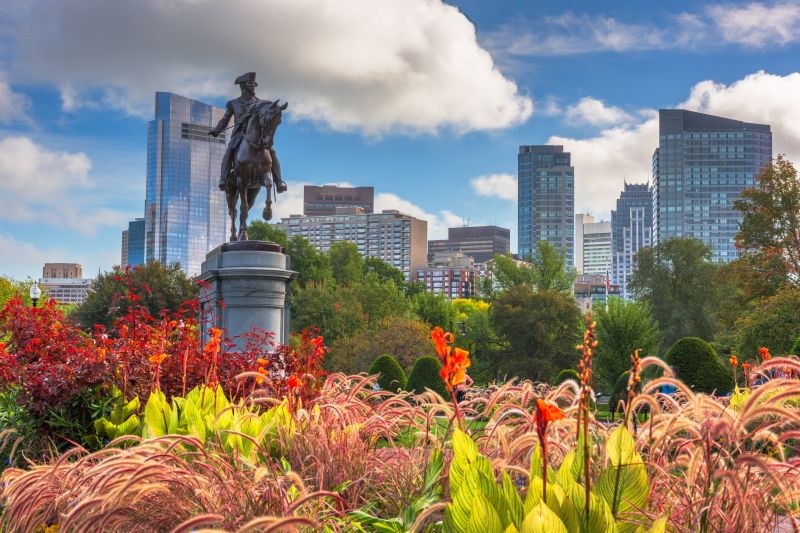
Residential hardscaping services encompass a variety of durable outdoor features designed to enhance the functionality and aesthetic appeal of a property. Common projects include installing patios, walkways, driveways, retaining walls, fire pits, and outdoor seating areas. These features are typically constructed using materials such as stone, concrete, brick, or pavers, providing long-lasting solutions that can define outdoor living spaces and improve curb appeal. Homeowners often seek information on the different types of materials available, design options, and how these features can complement existing landscaping or architectural styles.
Before requesting residential hardscaping services, property owners usually want to understand the scope of the project, including the planning process, material choices, and potential maintenance needs. Clarifying the overall design goals and any specific functional requirements-such as drainage considerations or accessibility-is also common. It’s helpful to consider the existing landscape and property layout to ensure the new features integrate seamlessly. Gathering details about permits, costs, and timelines can assist in planning a project that aligns with both aesthetic preferences and practical needs.
Many property owners in Boston, MA look into Residential Hardscaping for repairs, replacements, upgrades, and appearance-related improvements.
Common Residential Hardscaping Jobs
Patio Installation - creates functional outdoor living spaces for relaxing and entertaining.
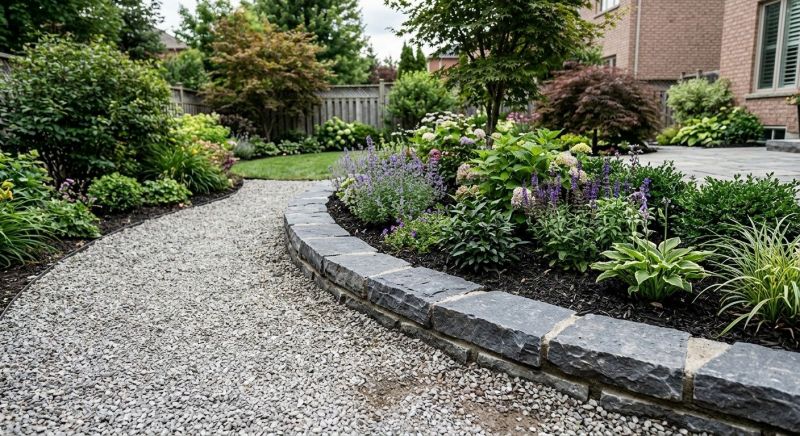
Walkway Construction - enhances curb appeal and improves access around the property.
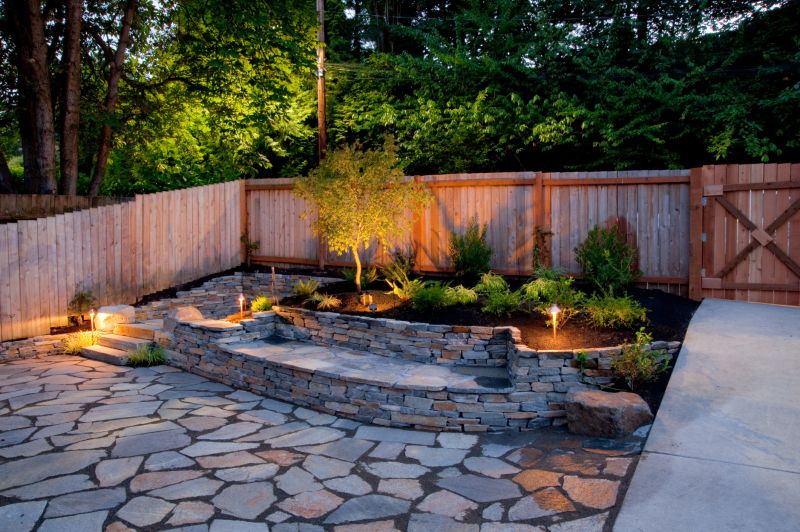
Retaining Walls - stabilizes soil and defines landscape levels for added structure.
Driveway Paving - provides durable and attractive surfaces for vehicle access.
Fire Pit Areas - adds a cozy focal point for outdoor gatherings.
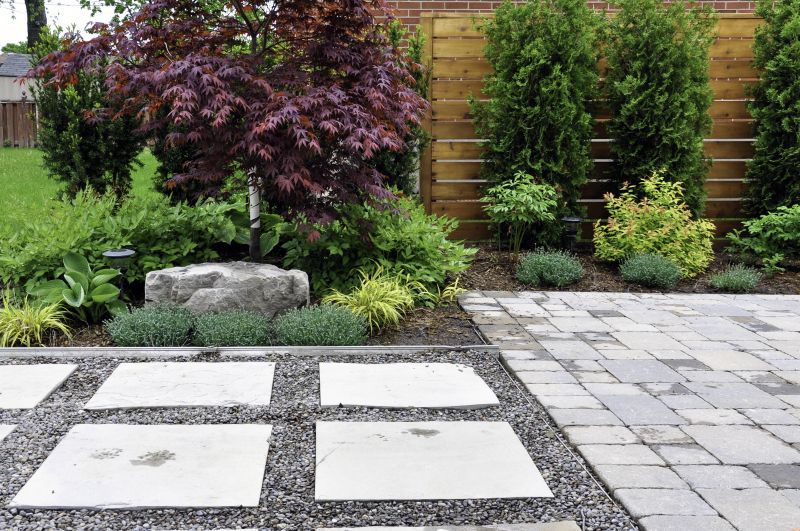
Stepping Stones - offers practical pathways that blend seamlessly with landscape design.
Residential Hardscaping Questions
What types of residential hardscaping projects are common? Common projects include patios, walkways, driveways, retaining walls, and outdoor living spaces designed to enhance functionality and curb appeal.
What materials are typically used in residential hardscaping? Materials such as pavers, concrete, brick, natural stone, and gravel are frequently used for durability and aesthetic appeal.
How does hardscaping improve property value? Well-designed hardscaping adds attractive, functional features that can increase curb appeal and overall property value.
What should homeowners consider before starting a hardscaping project? It's important to think about the purpose of the space, budget, and how the design complements the existing landscape and home style.
Request Residential Hardscaping in Boston, MA
Use the quote form on this page to share the basics of your project and request more information for the type of work you need.